Families seldom prepare for Assisted Living on a tranquil Saturday early morning with coffee and a notebook. The decision typically shows up after numerous smaller sized minutes pile up. A loss in the bathroom that takes hours to find. A refrigerator with wilted greens and ended yogurt. Medicines that look sorted, yet a few tablets are missing out on. If you have been nudging around the question of assisted living for a moms and dad, you currently know the silent weight it carries. You want your enjoyed one risk-free and comfortable. You additionally intend to respect the life they constructed, their routines, the method they like their tea or watch the 5 p.m. information. Excellent Elder Care maintains both in view.
I have toured more than a hundred communities and rested with households at even more cooking area tables than I memory care can count. The contours adjustment from person to person, yet 3 advantages turn up repeatedly when Assisted Living is done well: safety and security, socializing, and day‑to‑day support. Those pillars do not remove pain or fear, yet they create a structure where older adults can regain stability and, typically enough, a sense of joy.
What Helped Living Really Supplies - and What It Does n'thtmlplcehlder 6end. Assisted Living is a property setup that provides aid with daily tasks such as bathing, clothing, medication administration, and dish preparation. It sits between independent senior real estate and proficient nursing. Team are onsite 1 day, but residents live in personal apartment or condos or collections, not health center spaces. Consider it as a safety net woven into average life. This middle ground issues. Individuals do not move in because they are ill in the scientific feeling. They move in due to the fact that the daily rubbings of living alone start to endanger security and lifestyle. A daughter from Seattle told me her dad used to be careful, yet after his stroke she located bills in strange piles and a burned frying pan in the sink. He stood up to the idea helpful till a tiny kitchen fire terrified him. In Aided Living, we set him up with induction cooktops and monitored dish prep during the day, then a complete dinner in the dining room. He maintained his freedom, yet the scaffolding around him changed. Assisted Living does not offer constant medical care like an acute medical facility ward. A registered nurse might be onsite or on-call, but ventilators, complex wound treatment, and round‑the‑clock clinical surveillance usually drop under skilled nursing centers. If a community markets Memory Care, which sustains citizens with Alzheimer's and other dementias, that is normally a secured wing or a devoted program with qualified staff. It is still not the like a secured psychological unit or a clinical floor. The secret is sincerity concerning range. Request the service matrix, not just the sales brochure. Great Elder Treatment is improved fit: the ideal degree helpful at the best time. Safety without the Health center Feel
When safety and security comes to be delicate, everything else frays. Family members typically explain an expanding worry of the phone ringing late during the night. Autumns, medication errors, kitchen problems, wandering, dehydration - none of these problems are brand-new, yet isolation multiplies them.
Modern Helped Living neighborhoods come close to safety and security with layered, inconspicuous methods. Homes normally have step‑in showers with grab bars, lever deals with, and non‑slip floor covering. Corridors are wide. Lighting is brighter than in the majority of homes, with less darkness pockets that puzzle depth perception. A citizen can press a wearable telephone call pendant or a wall switch to alert staff. Lots of communities currently use discreet activity sensing units that inform staff if a person has actually not moved for an unusual stretch of time, like after a restroom browse through. Families occasionally are afraid that this modern technology changes human care, however one of the most reliable programs utilize it as a timely for a knock on the door, not as a replacement for eyes and conversation.
Medication management should have special attention. At home, even arranged people misread tags or miss out on dosages, particularly with vision changes or mild cognitive impairment. In Helped Living, staff log each dosage and look for adverse reactions. One homeowner I worked with took eight medications at different times. After moving in, we consolidated timetables with her physician so she had 2 med passes each day. Negative effects handed over and her energy returned. That type of tiny change hardly ever takes place in a vacuum at home.
Fire safety also enhances. Stovetops in resident apartments are frequently electrical or induction, and lots of neighborhoods add automated shutoffs. Sprinklers are typical. Personnel are drilled on discharge methods. It is the sort of framework you do not think of until the most awful takes place, and after that you are grateful it exists.
The technique is keeping safety and security from feeling like surveillance. Residents are grownups. They need options. The best teams use language that respects freedom. Not, "You are not enabled to prepare," yet, "Allow us establish you up for success in the cooking area so you can enjoy it securely."
Socialization that Feels Like Real Life
Loneliness is not addressed by bingo alone. I have seen vibrant activity schedules that never ever ignite and small programs that transform a community because the society invites involvement. The objective is not consistent stimulation. It is significant connection at a rate that fits the person.
A retired instructor may brighten when asked to lead a verse circle. A previous accounting professional may delight in handling the petty cash for the resident store. One gent I met had actually been a machinist. He discovered function in the upkeep store, assisting the group label tools and kind hardware. He began eating far better and resting better once he really felt beneficial again.
Meals do a lot of peaceful job here. Three shared dishes each day create supports. Also residents who skip early morning stretch course will certainly frequently appear for lunch, which opens up space for friendships. Eating team have a tendency to observe that is missing and can nudge delicately. Choice issues also. Look for food selections with choices, not simply the day-to-day special. If your mommy is diabetic person, ask how the kitchen area takes care of carbohydrate matters and desserts.
Look carefully at transportation. Communities that run reliable shuttle bus to local events, collections, or confidence solutions maintain citizens connected into the town past their front door. Confidence leaders who visit, book clubs that include residents from the community, teens volunteering after institution - these bridges issue. They inform locals they remain part of a larger world.
For citizens who require Memory Treatment, socialization looks different yet is no lesser. Programs often tend to favor smaller sized groups, much shorter sessions, and multi‑sensory tasks: music from their youth, cooking bread for the scent and texture, folding towels to please the hands. The goal is convenience and link, not evaluating memory. When a neighborhood obtains this right, anxiousness drops. I have seen a lady with mid‑stage dementia hum along to a Sinatra document, after that grab her other half's hand with a clearness he had not seen in months.
Daily Support That Brings back Power As Opposed To Draining It
At home, the jobs of life take in even more energy than they should. A shower can feel like an exploration. Washing accumulate. The automobile battery passes away, or the snow shovel is much heavier than in 2015. Each task draws from the same minimal swimming pool, and by supper there is absolutely nothing left for a walk or a conversation with a friend.
Assisted Living redistributes that pack. Personnel handle the heavy lifting: house cleaning, bed linens, maintenance, well balanced dishes, and the rhythm of individual care. A local may still select to make tea or fold laundry, yet it ends up being optional, not required. Households frequently observe that their loved one seems much more like themselves after a few weeks. That is not magic. It is the lack of constant micro‑stress.
There are practical wins, too. Bathing help means less skin concerns. Timely podiatry and dental sees prevent bigger health issue. A maintenance group that alters a light bulb the exact same day maintains small risks from becoming falls. Transportation to appointments indicates fewer cancellations and better follow‑through on treatment. When these assistances lock with each other, wellness stabilizes. People get ill much less typically. And when illness comes, recovery often tends to be smoother.
How Memory Treatment Fits - and When It's the Better Path
Not every parent who battles with memory requires a secured Memory Care program. Light lapse of memory does not immediately need a secured door. The line has a tendency to revolve around safety and security and anxiety. If a person wanders, puzzles day and night, or comes to be anxious in open hallways, Memory Treatment can decrease danger while restoring calm.
The atmosphere varies in refined means. Hallways loop back to usual locations instead of dead‑end. Shadow boxes outside homes display pictures and small objects that assist with recognition. Team get training in mental deterioration communication and redirection. Activities are much shorter, quieter, and based in day-to-day rhythms: setting a table, watering plants, folding clothing. These are not infantilizing tasks. They meet the brain where it is and supply success without stress. Families typically report less situations and more minutes of connection, which is the actual metric.
A kid once informed me he stood up to Memory Take care of months since it seemed like giving up. After a straying episode that ended with authorities and a scared next-door neighbor, he accepted excursion. His mom moved into a tiny Memory Care area that scented like cinnamon. Staff greeted her by name. The door had a mural that appeared like a bookshelf, and she stopped trying to pass by it. 2 weeks later on, he claimed, "We have dinner currently. We speak about her yard. She is not scared regularly." That is what you try to find when considering memory look after moms and dads: fewer emergency situations, even more peace.
The Financial Photo, Explained Straight
Cost is a genuine constraint. Families really feel guilty admitting it, but it belongs in the conversation early. Helped Living is commonly priced in 2 parts: a base lease for the apartment or condo, dishes, housekeeping, and tasks, plus a treatment level charge based on the help needed. In numerous regions, monthly prices vary from approximately 3,500 to 7,500 bucks for Assisted Living. Memory Care usually runs higher, often 5,000 to 9,000 bucks, since staffing ratios are various and shows is specialized. Urban centers and high cost‑of‑living areas can surpass these ranges.
Medicare does not pay for room and board. It may cover competent solutions such as physical treatment. Long‑term treatment insurance policy can balance out prices if a policy exists. Experts and surviving spouses should ask about VA Help and Attendance. Some states offer Medicaid waivers that help pay for Assisted Living or Memory Treatment, but eligibility regulations differ by state and often include waitlists. Families that own a home commonly offer it to money care or take into consideration a swing loan throughout the sales procedure. A candid however common technique is to select a community that accepts personal spend for a collection period, then permits Medicaid conversion when funds diminish. Ask the executive director exactly how that works before authorizing anything.
I suggest constructing a basic budget plan that covers three years at current treatment needs, after that including a buffer. People live longer than they expect. Needs have a tendency to enhance slowly. Clarity is kinder than surprise.
Quality Distinctions You Can See on a Tour
Brochures mix together. Tidy buildings and grinning stock photos tell you nothing. When I tour, I look for lived‑in information. Staff who welcome homeowners by name without glancing at a chart. Supervisors who know the day's menu and the task routine without looking. A maintenance individual that quits to deal with a shaky chair instead of walking past it.
Smells issue. A pale scent from lunch is regular. A consistent odor in a corridor is not. Listen for laughter and normal discussion during the afternoon, usually the waned hour when slim staffing programs. Glance into the task area without being led there. Are homeowners engaged or do a couple of individuals get involved while others sleep in wheelchairs along the wall surface? Check out the schedule published and ask who in fact went to the last three events.
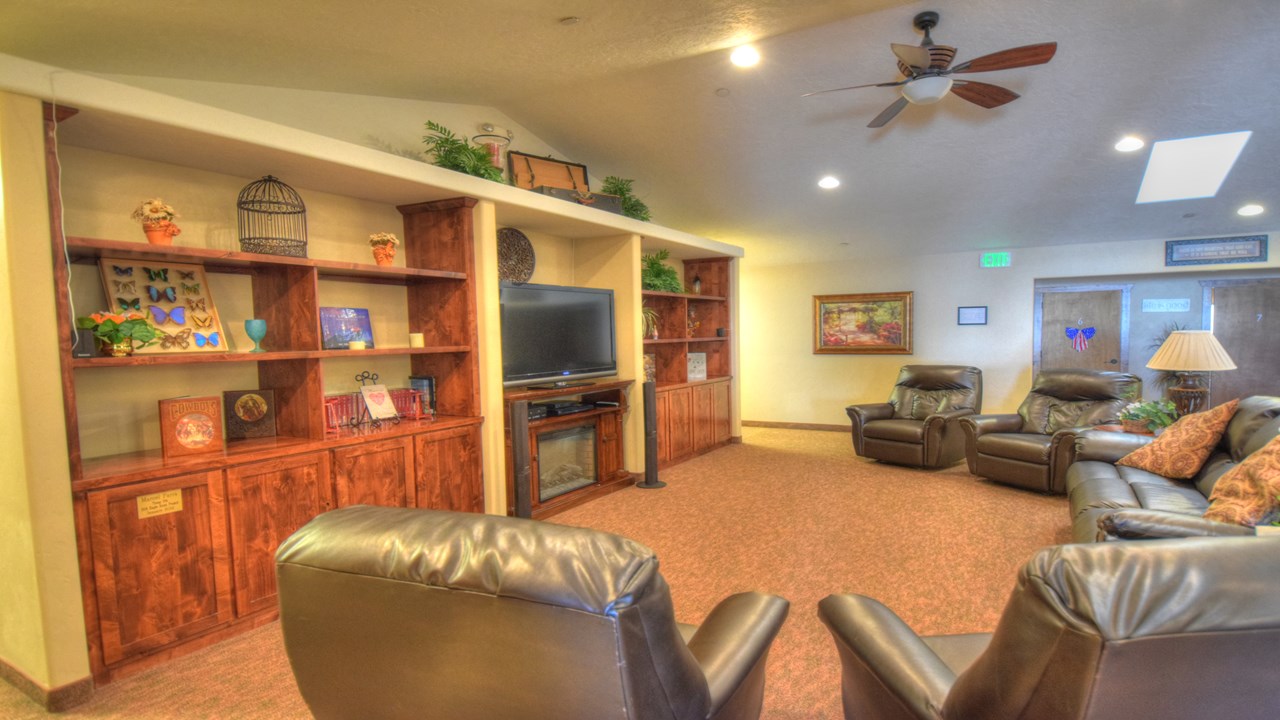
Ask just how the area deals with modification in condition. A citizen with an urinary system system infection can decrease quick. Do they have nurse analyses on site? Do they collaborate with home health and wellness for short ruptureds of knowledgeable assistance? Exactly how do they connect with households - phone, e-mail, a household portal?
The kitchen offers a window right into procedures. Ask for an example dish. If the meal is baked chicken, ask whether there is a vegetarian alternative and how they fit low‑sodium diet plans. Dietary adaptability prices money and time. Neighborhoods that do it regularly usually take the rest of treatment seriously.
The Household Role Does Not Finish at Move‑In
Some households are afraid Helped Living will replace them. Excellent communities do the opposite. They attempt to make you a companion. The landscape of responsibilities adjustments, and for most people it ends up being more sustainable.
Your energy steps from straight caregiving to advocacy and presence. You show up for supper, not to scrub a bathroom. You bring fresh fruit or your dad's favorite cookies. You still track clinical notes and goals. You still push for an optometry check out or ask nursing to enjoy a brand-new tremor. If your sibling lives across the nation, provide a details duty: expense monitoring, drug store refill oversight, or checking out quarterly with a clear agenda.
Expect some disturbance in the initial month. Regimens shift. Sleep can be uneven. Hunger may dip then rebound. The team and citizen are learning each other. Keep a log of little monitorings and share them with the care team at the two‑week and thirty‑day check‑ins. These meetings exist for a factor. Use them.
Handling Resistance with Respect
Resistance usually comes from concern. Loss of home, loss of control, loss of the familiar chair by the home window. Informing someone that Assisted Living is "for the best" is rarely convincing on its own. Begin with the concern that keeps them up in the evening, not yours. If your mother stresses over dropping, frame the conversation around shower assistance and quick help if she slips. If your papa dislikes consuming alone, talk about the breakfast group and the coffee they serve.
Trial stays help. Lots of communities provide supplied reprieve houses by the week. I have seen die‑hard skeptics fall for the morning oat meal and paper regimen, after that decide to stay. Various other times, a respite exposes an inequality, which is useful too. Much better to test and change than to require a relocation that fails.
Family unity issues. When two siblings argue in the lobby regarding whether Dad can stay home, staff pick up on the tension and every person loses emphasis. Hash out differences prior to you visit. Choose that will certainly be the key contact. Place a simple intend on paper and share it with the team.
Edge Situations and Trade‑Offs That Deserve Thought
Not every older adult thrives in a group setting. People with extensive introversion may locate continuous proximity challenging. Seek floor plans with silent spaces, little dining rooms, or the alternative to eat in a house periodically without stigma.
Pets can be a deal‑breaker. Several Helped Living communities are pet‑friendly within weight limits and with a treatment strategy if the resident can not take care of strolls reliably. Be straightforward concerning what is lasting. A neglected pet dog develops tension for everyone.
Couples introduce complexity. If one spouse needs Memory Treatment and the various other does not, inquire about adjacent houses, shared dish strategies, and just how the healthy and balanced partner can access the protected neighborhood easily. I have seen couples prosper with a routine that consists of morning meal together, separate activity tracks mid‑day, after that an evening walk and dessert.
Cultural fit issues. Food traditions, language, and spiritual practice form whether a location feels like home. Do not apologize for looking for an area where your moms and dad hears their language in the corridor or sees their vacation observed.
A Quick, Grounded Checklist for Touring
- Ask about staffing ratios by change and how usually those ratios are met. Request a sample regular monthly invoice with base rental fee and present care degree fees. Eat a meal in the dining room. Notification pacing and temperature of the food. Meet the nurse or wellness director and ask just how they manage a loss at 2 a.m. Talk to 2 residents and one member of the family without personnel hovering.
Why Households Often Dream They Had Actually Relocated Sooner
I do not claim this lightly. People regularly tell me they waited six to twelve months as well long. They wanted to stay clear of a difficult conversation, or they hoped a few home alterations would bring them via. By the time the relocation happened, a loss or a scare had shaken everyone, and the moms and dad arrived depleted.
Moving earlier catches more great days. It lets your moms and dad enter with stamina, make close friends, discover the structure, and established regimens prior to a dilemma. It offers you time to build trust with the team. The psychological lift can be genuine. A guy that as soon as told me he would "never ever live with a lot of old people" began holding court at a warm corner table, exchanging sports tales. He still stated he missed his house. He additionally said he felt safer, and his daughter stopped examining her phone every hour.
Measuring Success After the Move
Success looks like solidity. Fewer 911 telephone calls. Weight in a healthier array. Apparel altered regularly without triggering from family members. A schedule with a few circled around events that your moms and dad actually attends. Discussions that twist, not always about diseases or stress. Giggling that shows up in tiny moments. Not perfection, not a go back to 55, yet a life that really feels lived instead of endured.
If that is not occurring after a fair modification duration, speak up. Occasionally a various aide, a brand-new medicine schedule, or an area better to the dining room changes the whole photo. Sometimes the fit is incorrect and another community would certainly serve better. Good Elder Care is not static. It advances with the person.
The Profits for Households Taking Into Consideration Aided Living for a Parent
Assisted Living, at its finest, protects safety without surrounding self-reliance. It changes isolation with workable neighborhood. It takes the work out of every day life so energy can recede to relationships, regimens, and tiny pleasures that make days worth living. Memory Treatment includes a layer for those whose minds need a gentler, secured atmosphere and personnel trained in dementia care. None of these setups get rid of the intricacy of aging. They do, however, widen the margin completely days.
If you are evaluating choices, begin with a clear view of demands, a convenient budget plan, and a photo of what a good day ought to appear like for your parent. Scenic tour with purpose. Ask awkward concerns. Bring your parent into the procedure as much as self-respect allows. After that choose an area that supplies safety and security with respect, socializing with choice, and support that seems like collaboration. That is the heart of Elder Treatment worth having.
BeeHive Home of Rio Rancho #1
Address: 204 Silent Spring Rd NE, Rio Rancho, NM 87124
Phone: (505) 221-6400
BeeHive Home of Rio Rancho #2
Address: 2709 Chessman Dr NE, Rio Rancho, NM 87124
Phone: (505) 221-6400